October 10, 2026 · Racine, WI
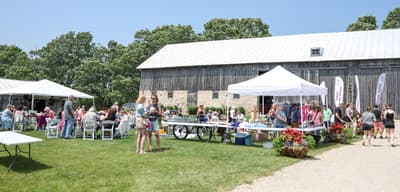
Downtown Racine Fall Wine Walk
$40 GA, $70 VIP, $20 DD
View details
couples · groups
United States · Wine Travel
183 listings / 29 festivals / 154 events / peak april–may
Wisconsin's wine festival scene is defined not by sprawling vineyard estates but by a dense network of downtown wine walks spread across smaller cities and lakeside towns — places like Racine, Fort Atkinson, Lake Geneva, Baraboo, and Middleton. The state's AVA footprint is modest: the Lake Wisconsin AVA and a handful of certified Wisconsin wineries produce cold-hardy varietals like Marquette, Frontenac, and La Crescent, grapes bred to survive Upper Midwest winters. What drives the festival calendar here is less viticulture tourism and more community celebration — ticketed street-level events where local retailers, restaurants, and tasting rooms pour side by side through pedestrian-friendly downtowns. General admission typically runs $35–$45, and the format is almost universally the wine walk.
The peak window for Wisconsin wine events falls in April and May, when organizers take advantage of the first reliably pleasant weekends after a long winter. The Downtown Middleton Sip & Stroll on April 30 ($40) and the Portage Wine Walk on April 24 ($40) represent the early-spring surge, while the 2026 Downtown Baraboo Spring Wine Walk on May 1 ($40) and the Lake Geneva Spring Wine Walk on May 17 ($45) carry the momentum through mid-month. The Run for the Roses Wine Walk in Green Bay on May 2 ($35) draws on Kentucky Derby weekend energy and tends to sell through quickly. If you prefer warmer, more settled weather, August and September see strong activity too, though the calendar thins out slightly compared to spring.
Fall brings its own rhythm. The Downtown Racine Fall Wine Walk on October 10 ($40) and the Sips and Dips Wine Walk of Fort Atkinson on October 17 ($40) are reliable autumn fixtures. Racine is notable for running both a spring and a fall edition of its wine walk, which reflects how well the format has taken root there. These October events benefit from fall foliage along Lake Michigan and the Fox River corridor, and the cooler air makes a long afternoon of outdoor sipping more comfortable than midsummer heat.
For logistics, most of Wisconsin's busiest wine event cities sit within a two-hour radius of Milwaukee's Mitchell International Airport (MKE) or Madison's Dane County Regional Airport (MSN). Lake Geneva is about 75 miles southwest of Milwaukee and easily reachable by car. Baraboo and Portage sit just north of Madison. Racine is a 30-mile drive south of Milwaukee along I-94. Green Bay has its own Austin Straubel International Airport (GRB) for travelers heading to northeastern events. Renting a car is strongly recommended; almost none of these festival towns have meaningful public transit options, and designated driver arrangements or rideshare bookings should be planned in advance.
The format across Wisconsin wine walks is fairly consistent: you receive a souvenir glass and a map or passport listing participating venues, then self-guide through the downtown area at your own pace. Most events run four to five hours, typically starting early afternoon. Pours are modest — usually an ounce or two — so the experience leans tasting rather than drinking-focused, though the cumulative effect over 10 to 15 stops adds up. Food pairings vary by event; some organizers coordinate with restaurants to offer bites alongside pours, while others leave that to individual venues.
Tickets at the $35–$45 range are genuinely fair value given what's included, and events at that price point rarely feel stripped-down. The Uncorked Wine Education event in Sun Prairie on July 30 ($40) takes a slightly different angle — it's pitched as an educational tasting, which distinguishes it from the walk format and suits travelers who want structured guidance rather than a self-directed stroll. Sun Prairie and nearby Madison anchor the south-central part of the state and make a natural base for hitting multiple events across a long weekend. Wisconsin won't replace a trip to Oregon or the Finger Lakes for serious wine study, but for an unpretentious, social, and well-priced day out in a walkable small town, it delivers reliably.
This season
October 10, 2026 · Racine, WI
couples · groups
October 17, 2026 · Fort Atkinson, WI
couples · groups
Smaller pours
October 12, 2026 · Elm Grove, WI
Frequently asked
Nearby
Newsletter
Get the best upcoming wine festivals, seasonal picks, and planning guides in your inbox each week.
No spam. Unsubscribe anytime.